
On Teachers’ Day we honour the individuals whose vision, courage and innovation have transformed Indian education. At a time when we at GirlsFirst Foundation strive to ensure quality education for under-privileged girls, it’s inspiring to look at educators who broke barriers — in pedagogy, equity and social change.
Here are five outstanding figures whose work still matters.
1. Shaheen Mistri

Shaheen Mistri began her journey in Mumbai’s slums, teaching children after school and eventually founding the Akanksha Foundation and then Teach For India. Her mission has been to create high-quality educational opportunities for children from low-income families by mobilising young leaders into teaching roles. Her work emphasises equity, innovation and system-level change. She reminds us that access is only part of the story—what kind of learning environment and teacher support matters just as much.
2. Urvashi Sahni
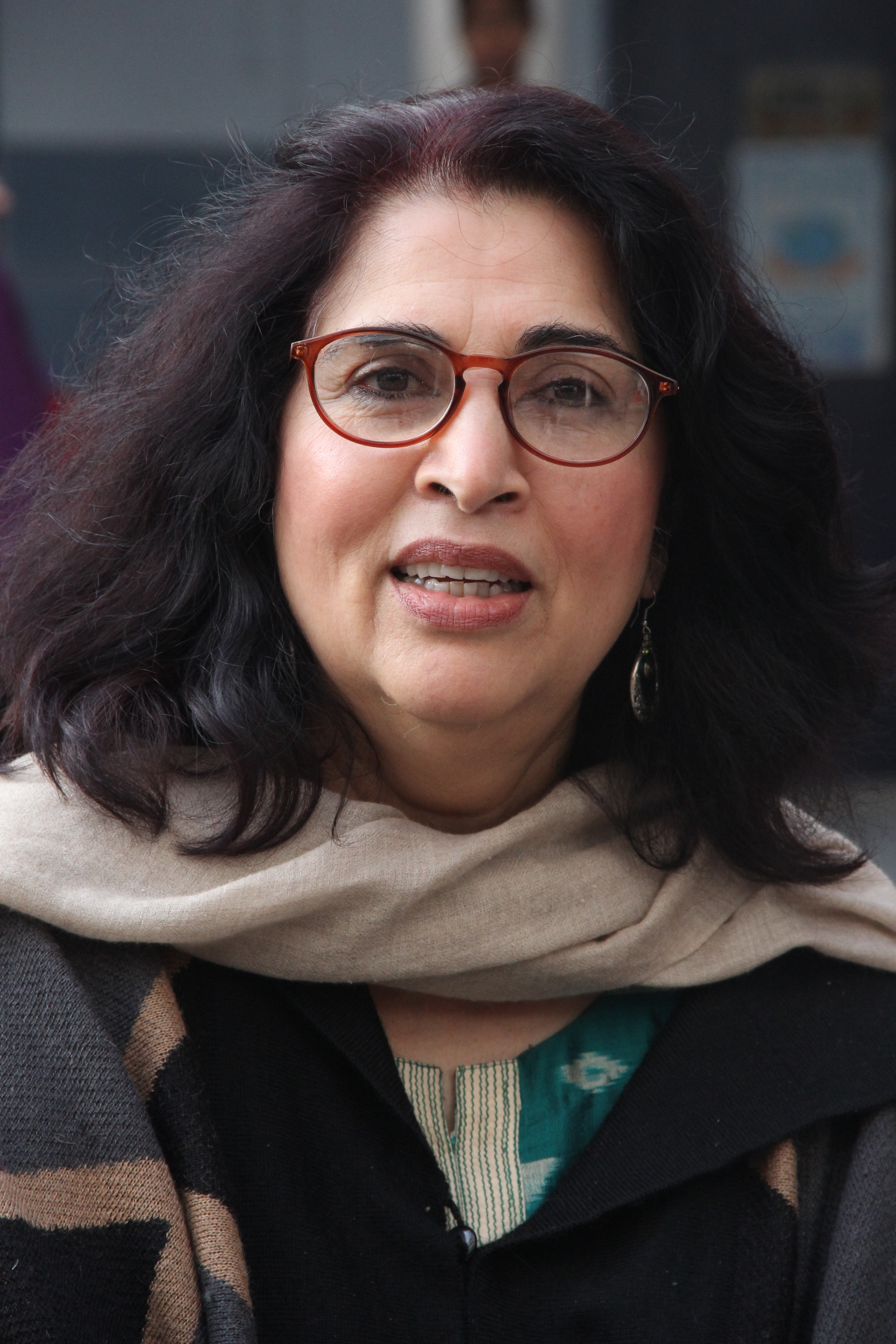
Urvashi Sahni has pioneered work on girls’ education with a strong feminist lens. As founder of the Study Hall Educational Foundation she has focussed on teacher training, curricula that empower girls, and building confidence alongside skills. Her approach shows how education for girls isn’t just about enrolment—it’s about creating spaces where girls believe in themselves, raise their voices, and take charge of their future.
3. Anil Sadgopal

Dr Anil Sadgopal is one of India’s veteran education reformers — known for the Hoshangabad Science Teaching Programme and his longstanding activism for the Right to Education (RTE) Act. His work reminds us that pedagogy matters deeply: asking how children learn science in rural India, what language they are taught in, and how curricula treat students as thinkers, not just exam-takers. For GirlsFirst Foundation, where quality is paramount, his focus on contextually rooted pedagogy is a critical guide.
4. Krishna Kumar
Krishna Kumar has shaped thinking about curriculum, language, childhood and schooling in India. His writings challenge simplified ideas of what schooling must be and ask: How does a child learn? What is the role of language and culture? For any organisation working on education equity, his work underscores the importance of aligning teaching-learning with children’s realities, not simply importing models unchanged.
5. Fatima Sheikh
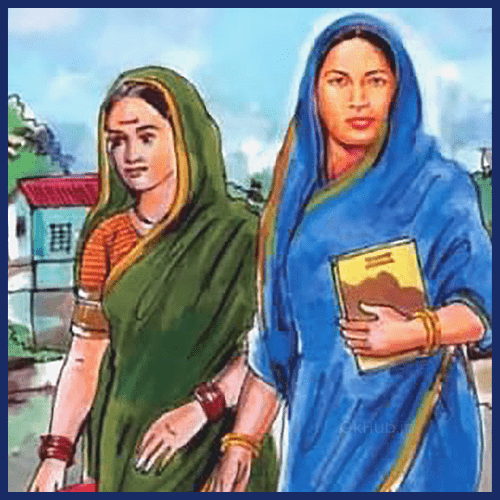
Fatima Sheikh is a name of historic significance: widely regarded as one of India’s first Muslim women teachers in the 19th century, working alongside social reformers like Savitribai Phule in Pune. Her legacy matters especially for GirlsFirst Foundation’s work: education for marginalised girls must link to brave trajectories of women who defied norms. Her example signals that change often begins with those who dare to teach where others would not.
Why These Educators Matter for GirlsFirst Foundation
- Equity as starting point: Each one emphasised reaching children who were excluded—girls from low-income families, children in rural or slum environments, those facing language/cultural barriers.
- Quality and pedagogy: They didn’t just open doors—they asked what happens inside the classroom: Are children taught as thinkers? Are teachers supported? Is the curriculum meaningful?
- Systemic vision: They worked not just as individual teachers but as reformers of institutions, curricula, and mindsets. GirlsFirst Foundation’s aim to scale quality education for girls is aligned with that mindset.
- Inspirational role models: For the girls we serve, having role models who overcame early barriers and changed lives matters deeply. These five educators provide stories of possibility.
Key take-aways for our work on Teachers’ Day
- Invest in teacher training and support — the best intentions need skilled, motivated teachers.
- Focus on girls’ empowerment, not just enrolment — making school meaningful leads to retention and future readiness.
- Context matters — language, culture, pedagogy and local realities shape learning.
- Recognise teaching as a profession of change-agents — policy, community recognition, and institutional backing matter for scaling.
- Celebrate educator journeys — let our GirlsFirst Foundation community and beneficiaries know about these role models so that the next generation of girls sees themselves reflected in stories of changemakers.
Final Words
On this Teachers’ Day, as GirlsFirst Foundation renews its commitment to providing quality education and counselling to under-privileged girls across India, let us also renew our obligation to empower the educators—those who stand at the chalkface, and those who imagine beyond it. Because when we invest in teachers who believe, we invest in girls who achieve.
Happy Teachers’ Day!
— From the GirlsFirst Foundation team.